 English
 français
 Deutsch
 Español
 italiano
 русский
 português
 tiếng việt
 Türkçe
 Polska
 Indonesia


E-mail:
info@rsgbottle.com
EN

When sourcing bottled products—whether beverages, oils, or spirits—one of the most practical decisions you’ll make is choosing the right bottle size.
Two of the most common options are 500ml and 750ml bottles, but which one offers better value for your business?
In this guide, we’ll break down the key cost factors in clear terms, helping you make a smart, informed purchasing decision.
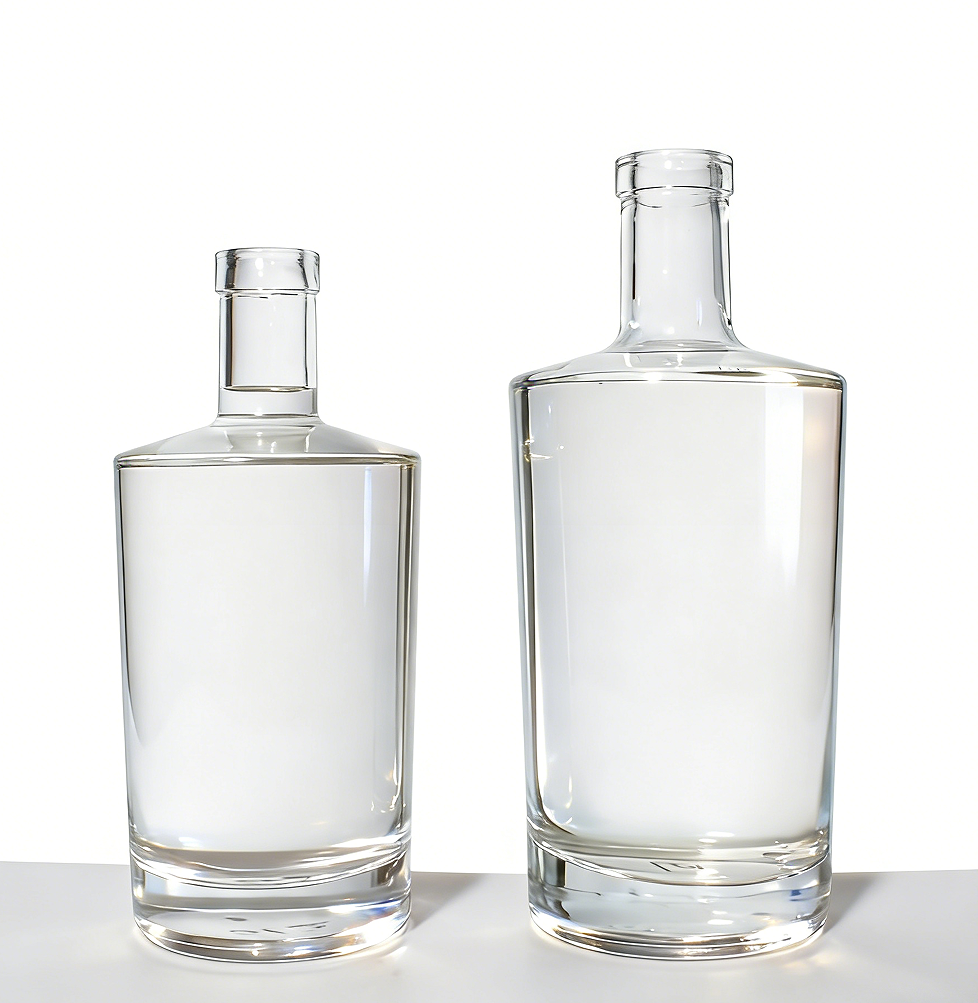
Imagine you need 1,000 liters of a product:
Packed in 500ml bottles: You’ll need 2,000 bottles, caps, and labels.
Packed in 750ml bottles: You’ll need about 1,334 bottles, caps, and labels.
Right away, you see the 750ml option uses fewer units—about 33% fewer bottles for the same total volume. This is where cost analysis begins.
500ml Bottles: Each bottle costs less for materials (glass/plastic), but you need more bottles per liter.
750ml Bottles: Each bottle costs more, but you need fewer bottles overall. This often means better bulk pricing and lower total packaging cost per liter.
Filling a 750ml bottle takes roughly the same time as a 500ml one, but you get more volume per cycle. This means higher production efficiency with 750ml.
Fewer bottles also mean slightly lower risk of line losses—like breakage or filling errors—compared to handling more units.
This is where the 750ml size often shines for bulk buyers.
Warehouse Space:
Although each 750ml bottle is larger, you store fewer bottles for the same total volume. This can save 15–25% in storage space.
Shipping Cost:
Containers are charged by space (CBM). With fewer boxes and better pallet efficiency, shipping cost per liter is usually lower for 750ml.
Secondary Packaging:
You’ll need fewer cartons, dividers, and pallets when shipping fewer bottles—another clear saving.
Pricing:
750ml is a standard size for wine and premium goods, making pricing straightforward.
500ml is common for soft drinks and portable products, often seen as more affordable per unit.
Customer Preference:
Consider what your buyers (retailers, hotels, distributors) and end consumers expect for your product type.
Choose 500ml if:
Your product is for single use, on-the-go, or convenience-focused markets.
You want a lower retail price per bottle to attract first-time buyers.
Logistics and storage costs are a smaller part of your total costs.
Choose 750ml if:
Your product is for sharing, home use, or the gift market.
You want to reduce total supply chain costs—packaging, production, shipping, and storage.
Your distributors or retailers prefer industry-standard sizes for your category.
To make a clear comparison, ask for:
Production line changeover time and minimum order quantities for each size.
Pallet and container loading comparison—how many liters fit per pallet/container for each option.
There’s no one “cheaper” option—only the one that fits your business model best.
500ml can offer lower per-bottle cost and market flexibility.
750ml often delivers better supply chain efficiency and lower cost per liter in large-volume orders.
We recommend running a trial order for both sizes if possible. Test not just the unit cost, but also production handling, shipping, and customer feedback.
Thinking beyond “price per bottle” to total cost of ownership will help you uncover real savings and build a more profitable supply chain.